
WASHINGTON — A new proposal from Kevin Kiley, R-Calif., would place a federal cap on state fuel taxes, a move that could significantly reduce diesel costs for truck drivers and fleets nationwide.
Kiley’s proposed Gas Tax Reduction Act would penalize states that levy fuel taxes above 50 cents per gallon. Under the measure, any state exceeding that threshold would see an automatic 8% reduction in funding from the National Highway Performance Program and the Surface Transportation Block Grant Program—two major funding streams used to maintain freight corridors, improve truck parking, and support other trucking-related infrastructure.
The legislation is designed to use federal highway dollars as leverage to rein in what Kiley calls excessive state-level taxation.
“Californians pay the highest gas taxes in America and have very little to show for it,” Kiley said in a recent statement. “States that overtax drivers to cover inefficient spending should not expect unlimited federal support. If Sacramento wants Washington’s help, it should stop punishing motorists.”
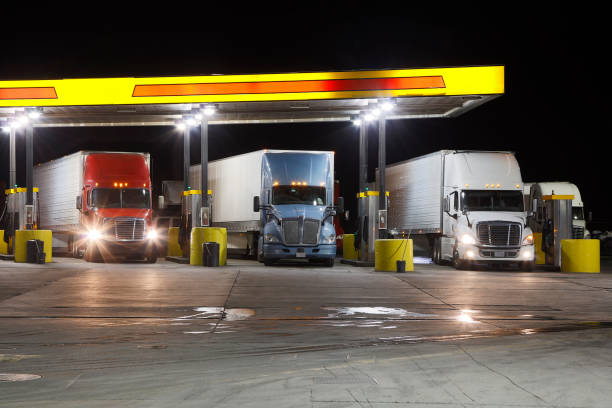
While the bill is primarily framed around passenger vehicle fuel costs and has not yet been formally introduced, its implications for trucking could be substantial. Fuel remains one of the industry’s largest operating expenses, and even modest tax reductions can materially affect margins.
In California, the proposal would immediately reduce the state’s fuel tax burden by approximately 21 cents per gallon. Other states with combined diesel taxes above 50 cents per gallon include Pennsylvania, Illinois, New Jersey, and Michigan.
For interstate carriers, a national fuel tax ceiling could also simplify budgeting and route planning. Because trucking companies reconcile fuel taxes through the International Fuel Tax Agreement, narrowing the gap between high-tax and low-tax states would make operating costs more predictable across regional corridors.
Supporters argue that high-tax states often rely on fuel taxes to offset inefficient spending and that federal transportation dollars should not subsidize policies that inflate costs for families, small businesses, and freight operators.
Opponents counter that state fuel taxes are essential for road maintenance, bridge repairs, and environmental programs, warning that an 8% cut in federal transportation funding could worsen congestion and infrastructure conditions.
For truckers, however, deteriorating roads come with their own hidden costs—accelerating wear on tires, suspensions, and equipment—raising the question of whether high fuel taxes truly deliver value where it matters most: on the pavement.